 EN
EN


Spring surface finishing enhances durability, corrosion resistance, and performance, with common methods including plating, powder coating, tumbling, and electropolishing. These treatments prevent rusting, reduce noise, and ensure consistent mechanical properties, particularly for steel springs subjected to high-stress or harsh environments.
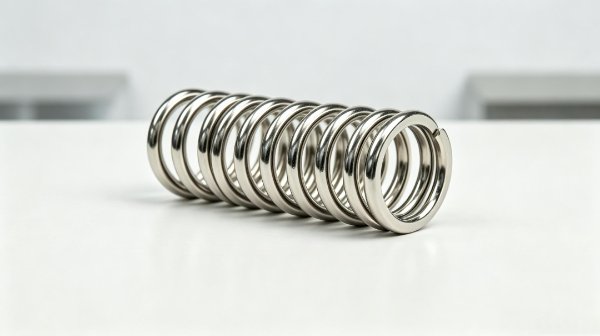
A cost-effective process using metals like gold, silver, tin, or nickel to increase corrosion resistance.
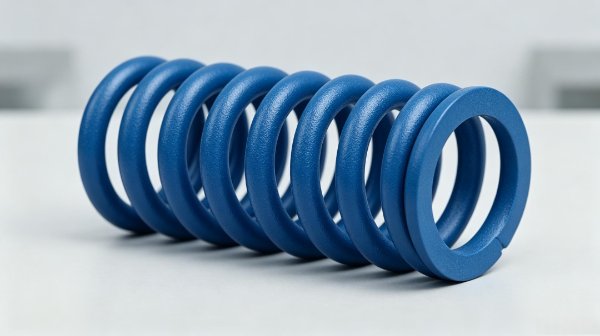
Provides a thick, durable, and corrosion-resistant layer for larger springs, often used for aesthetic, identification, or protective purposes.
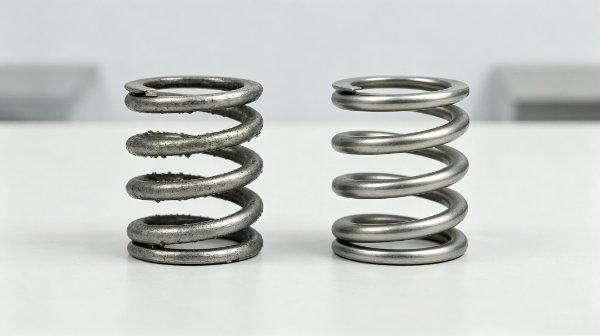
A vibratory process that removes burrs, sharp edges, and surface imperfections.
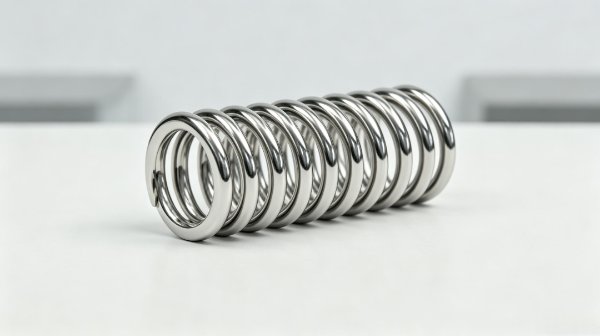
A chemical-electrical process that creates a smooth, mirror-like finish, improving fatigue life.
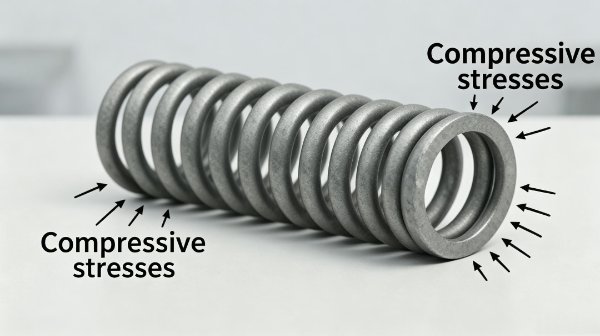
Increases resistance to fatigue and stress corrosion cracking by applying compressive stresses, often used on high-performance springs.
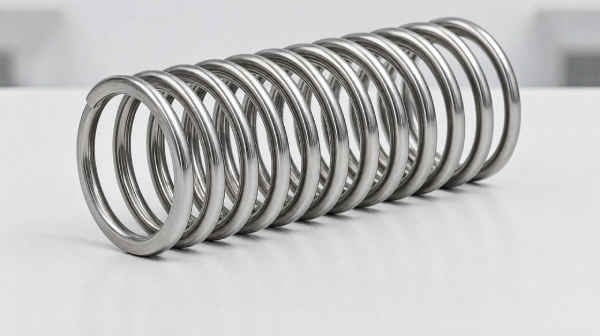
A treatment that increases the natural corrosion resistance of stainless steel components.
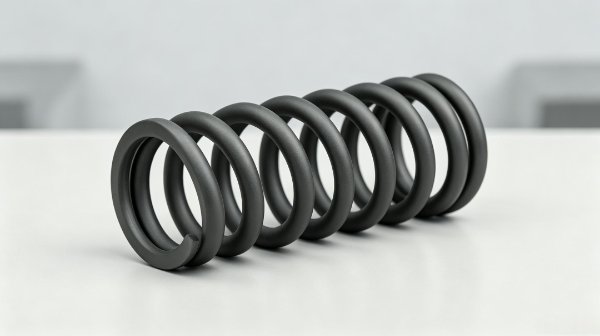
A cost-effective treatment providing temporary corrosion resistance, reduced noise, and better paint adhesion, frequently used on steel springs.
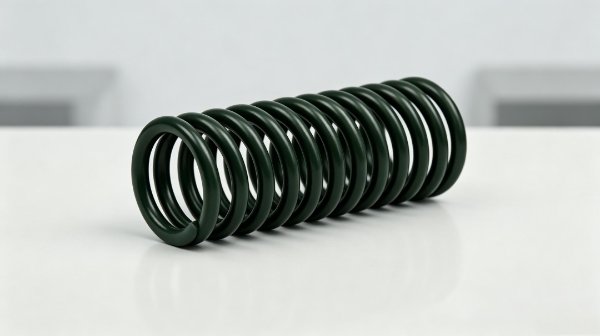
PTFE and Parylene are used when low friction, high corrosion resistance, and biocompatibility are required.

We conduct precise selection based on the actual application scenarios of customers' products: comprehensively considering operating environment (humidity, temperature, corrosive media), aesthetic requirements, special functional needs (conductivity, friction coefficient) and cost budget to customize the optimal surface finishing solution for each spring.
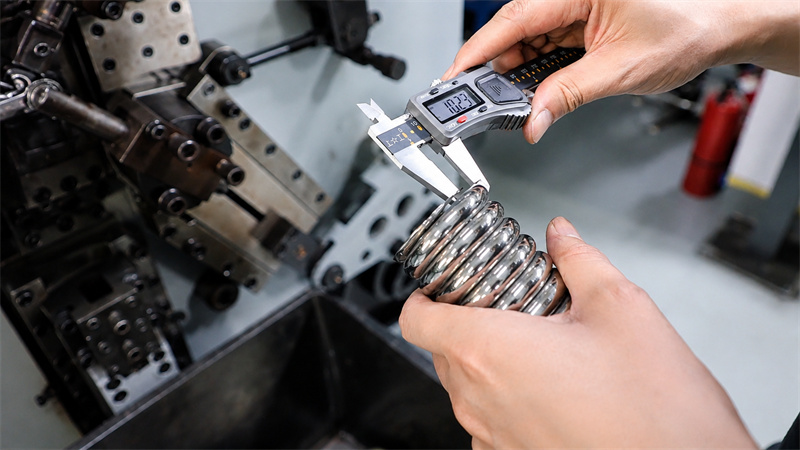
In addition to core surface finishing, we also provide complete supporting secondary processing services: Assembly, Color Coding, Grinding, Heat Treating, Looping, Black Oxide treatment, etc., realizing full-process delivery from raw materials to finished products.
All surface finishing processes strictly follow industry standards, with full-process parameter monitoring and batch inspection: each batch of products undergoes multiple tests including appearance, film thickness, adhesion and salt spray test to ensure stable and reliable surface finishing quality and compliance with environmental requirements.
Order confirmation
Raw material procurement
Production and processing
Quality inspection
Packaging and warehousing
Shipment and delivery