EN
EN
Torque is affected by wire diameter, outer diameter, total coils and leg length. Thicker wire and shorter legs produce larger torque.


Torsion springs produce torsional force via torsional deformation and are generally coiled with metal wire. Two torque arms extend from both ends of the spring with tightly closed coils at rest. When external force twists the arms, reverse torque forms inside the spring, and the spring bounces back to its original position after force removal. They are commonly made of carbon spring steel, stainless steel and alloy steel. Stainless steel springs feature rust and corrosion resistance for harsh damp environments, while carbon steel ones are cost-effective for normal ambient applications. Torque can be customized by adjusting wire diameter, outer diameter, coil number and arm length. Featuring compact structure, steady torque and easy installation, torsion springs are widely applied in hinges, bag buckles, stationery clips, auto parts, home appliance switches and hardware tools as key elastic components for opening, closing and resetting structures.
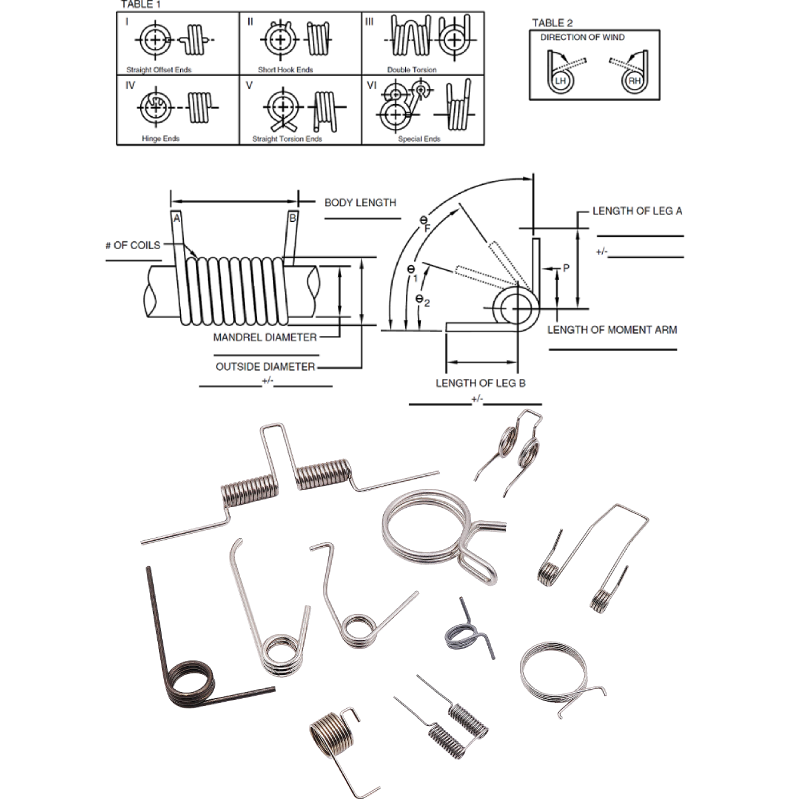
Spring Design:
Straight Offset Legs • Short Hook Legs • Hinge Legs
Straight Torsion Legs • Bent Legs • Double Torsion
Finishing Operations:
Stress Relieve • Heat Treating • Passivation
Shot Peening • Plating • Painting
Wire sizes from 0.1mm to 16.0mm
Materials:
Carbon Steels • Alloy Steels
Stainless Steel 17-7, 302, 304 and 316 • Phosphor Bronze
Inconel X750
Torsion Springs are helical springs that exert a torque or rotary force. The ends of torsion springs are attached to other components, and when those components rotate around the center of the spring, the spring tries to push them back to their original position. Although the name implies otherwise, torsion springs are subjected to bending stress rather than torsional stress. They can store and release angular energy or statically hold a mechanism in place by deflecting the legs about the body centerline axis.
This type of spring is normally close wound but can have increased pitch to reduce friction between the coils. They offer resistance to twist or rotationally applied force. Depending on the application, torsion springs can be designed to work in a clockwise or counter-clockwise rotation, thus determining.
Your blueprint, our precision: end-to-end custom engineering for high-strength, perfectly formed torsion springs
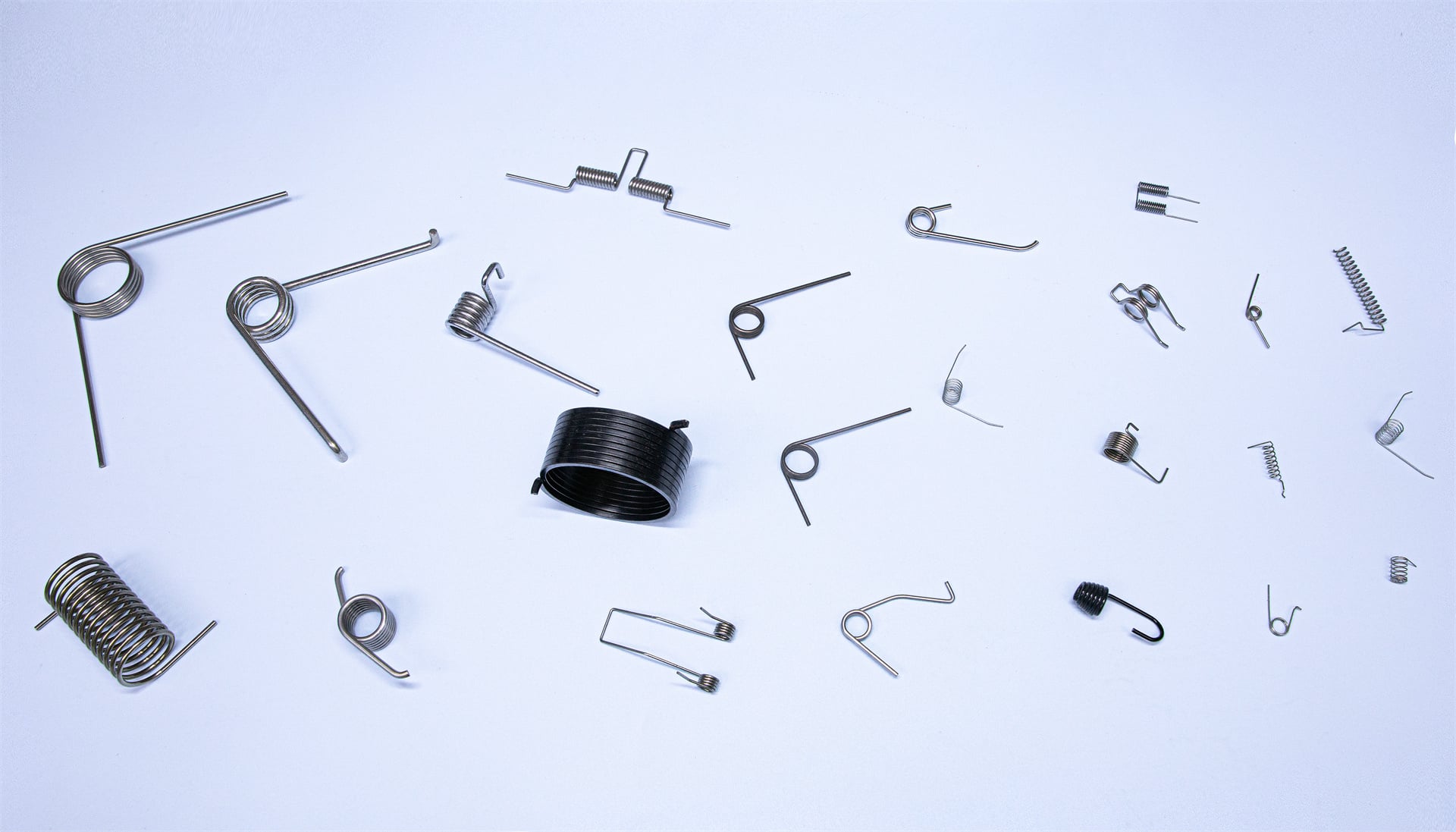
Precision single-axis torsion springs delivering reliable rotational torque. Excellent reset performance, corrosion-resistant options available. Ideal for clips, hinges, door locks, automotive interiors. Customizable.
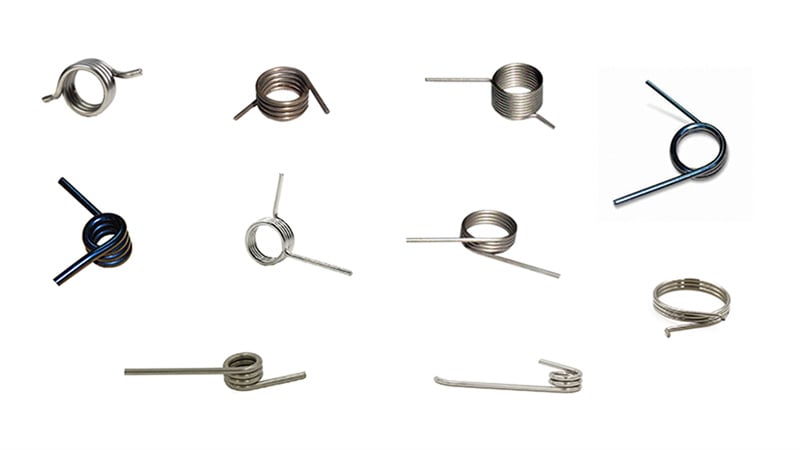
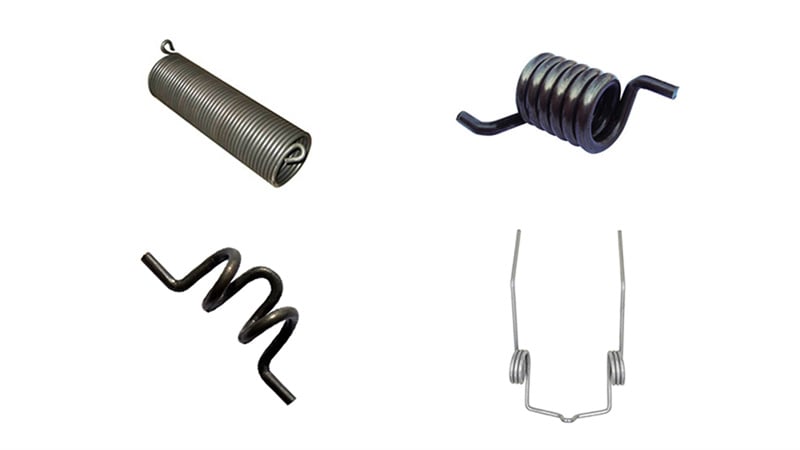
Symmetric double-torsion design delivering balanced dual rotational torque. High-strength spring steel, superior fatigue resistance. Ideal for heavy-duty clips, hinges, switches, industrial machinery. Customizable.
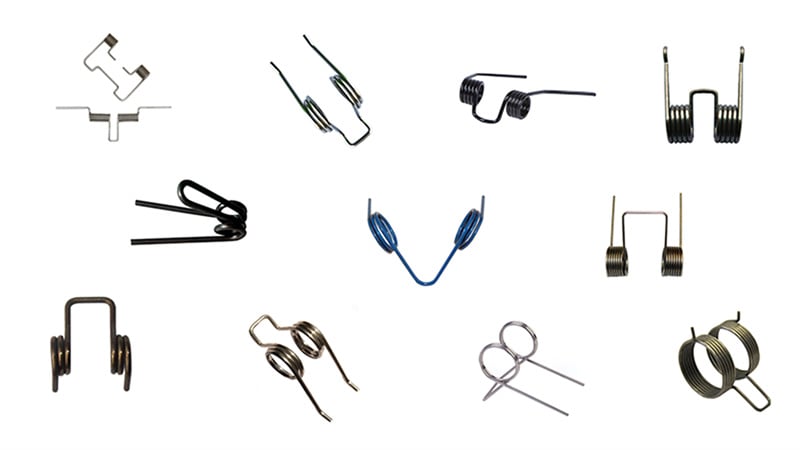
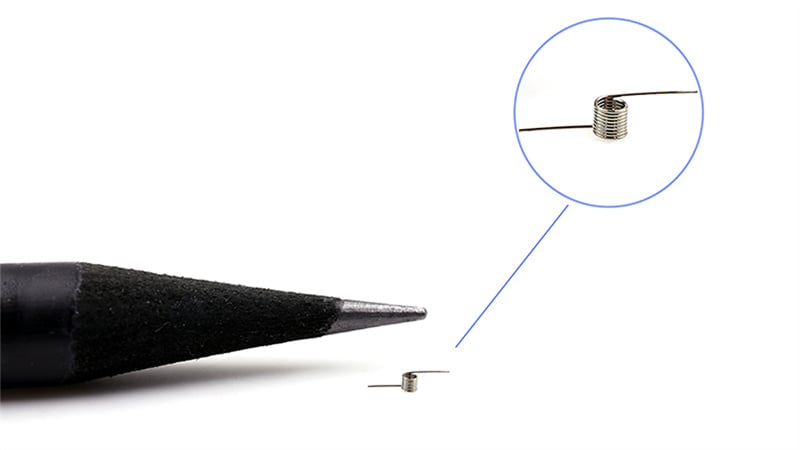
Ultra-compact precision torsion springs for tiny rotational applications. High torque-to-size ratio, tight dimensional tolerances, corrosion-resistant options. Ideal for smart wearables, medical micro-devices, eyewear hinges, small electronics switches. Customizable.
Robust heavy-duty torsion springs built for extreme high-torque and cyclic load conditions. Rugged alloy steel construction, superior impact resistance, long service life. Ideal for industrial machinery, construction equipment, agricultural implements, heavy-duty gate hinges. Customizable.
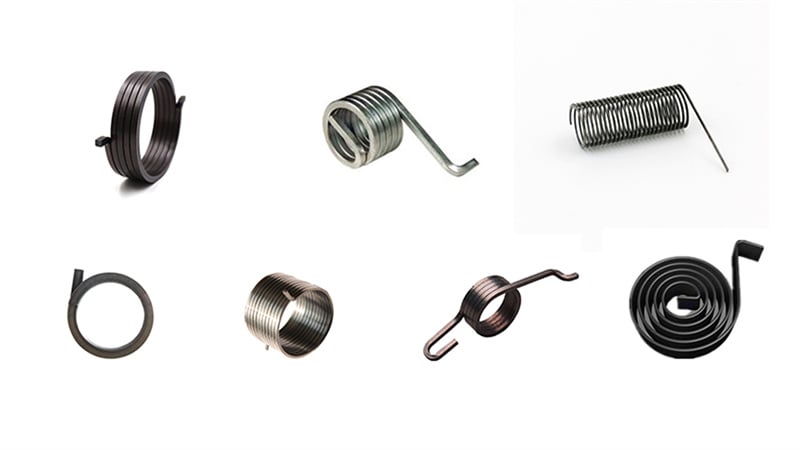
High-energy-density square wire torsion springs delivering higher torque in compact spaces. Better rigidity and dimensional stability than round wire designs, excellent fatigue performance. Ideal for industrial valves, clamping fixtures, heavy-duty latches, automotive chassis components. Customizable.
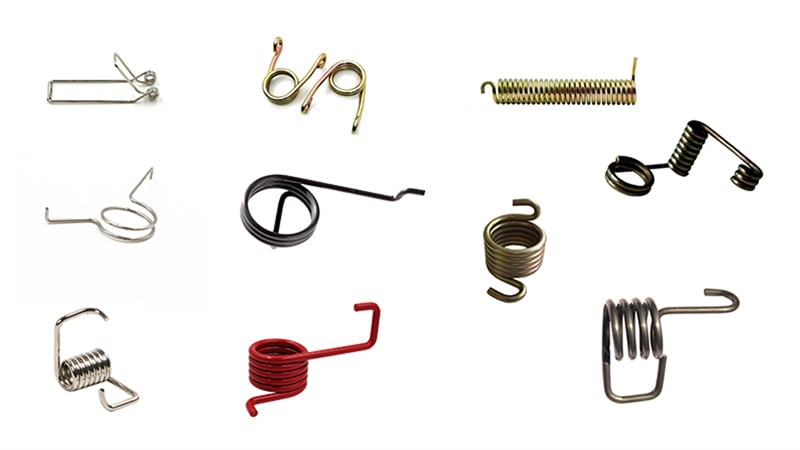
Fully customizable torsion springs with tailored leg angles, lengths and mounting configurations. Precise torque calibration, wide material options, excellent fatigue resistance. Ideal for specialized hinges, custom hardware, electronic assemblies, medical devices, industrial fixtures. Customizable.
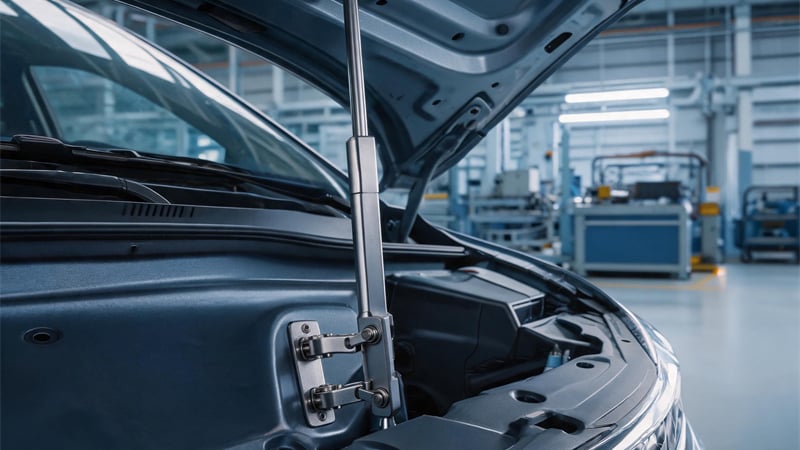
Torsion springs are indispensable core elastic components in automotive interiors and body accessories. They are widely used in door hinges, trunk lid hinges, hood struts, seat angle adjustment mechanisms, seatbelt retractors, wiper arms and other parts. By providing stable return force and support force through precise torsional moment, they ensure the smooth opening/closing and reliable operation of various moving parts of automobiles, while enhancing the driving experience and overall vehicle safety.
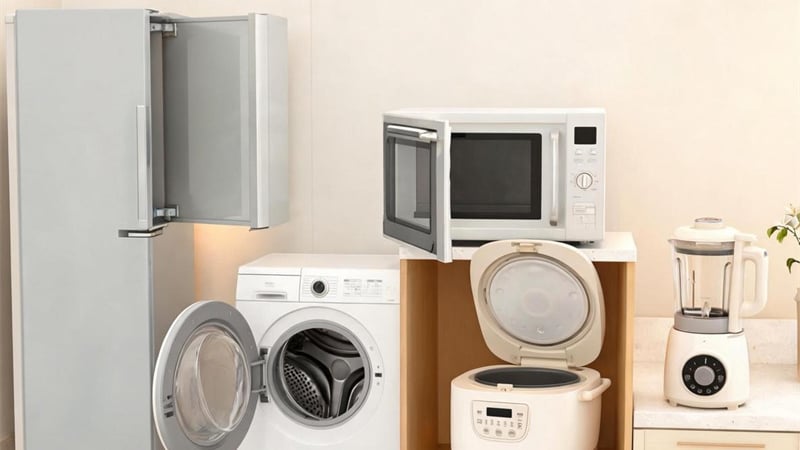
In the home appliance industry, torsion springs undertake key reset and opening/closing functions. They are commonly found in refrigerator door hinges, washing machine door lids, microwave oven doors, oven door locks, rice cooker lid opening mechanisms and push-button switches of various small home appliances. They can quickly return components to their initial positions after operation, ensuring the convenience and durability of home appliance operation, and are one of the basic parts for realizing automated and humanized design of modern home appliances.

Torsion springs are extremely widely used in office equipment and consumer electronic products. Printer paper feed rollers, copier drum opening and closing mechanisms, scanner cover hinges, keyboard key rebound mechanisms, laptop screen hinges and mobile phone camera lifting mechanisms all rely on their support. With the characteristics of small size, precise torque and long service life, they meet the demand for miniaturized and highly reliable elastic components in precision electronic equipment.
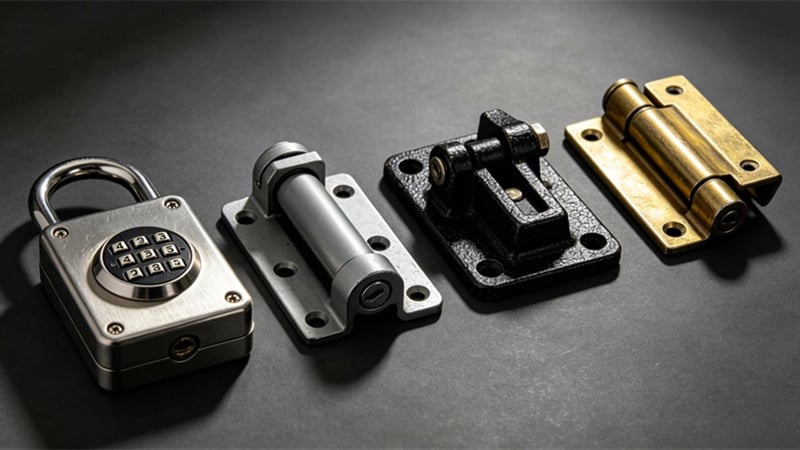
In the industrial hardware and security field, torsion springs are important components of various locks, hinges, clamps, toolbox latches and fire-fighting equipment. For example, the bolt return mechanisms of anti-theft door locks, fire door closers, clamping devices of industrial clamps and flip-top hinges of toolboxes all rely on the constant torsional force provided by torsion springs to realize locking, clamping and automatic reset functions, ensuring the stability and safety of industrial production and daily security.