EN
EN
Main materials are medical-grade 316L stainless steel and nitinol, which are non-toxic and biocompatible.


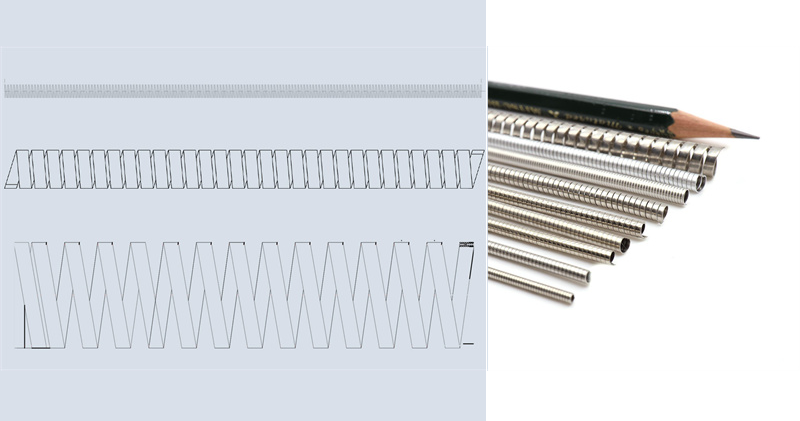
Medical grade springs are precision custom elastic components manufactured in compliance with medical industry specifications, covering compression, extension, torsion, flat wire and wire forming styles. They are primarily fabricated from biocompatible raw materials including 316L medical stainless steel and nitinol alloy, featuring non-toxic, non-magnetic and superior corrosion-resistant properties to withstand erosion from body fluids, medical reagents and various disinfectants. Most finished products can endure high-temperature autoclave sterilization without deformation or performance attenuation.Strict dimensional tolerance control guarantees consistent elastic force and excellent anti-fatigue performance after thousands of repeated stretches and twists. These premium springs are widely assembled in surgical instruments, dental equipment, insulin syringes, respiratory apparatus, diagnostic devices and rehabilitation medical supplies. Customization based on client drawings or samples on wire size, outer dimension, elastic tension and forming structure is available to satisfy the strict safety and precision requirements of different medical apparatus.
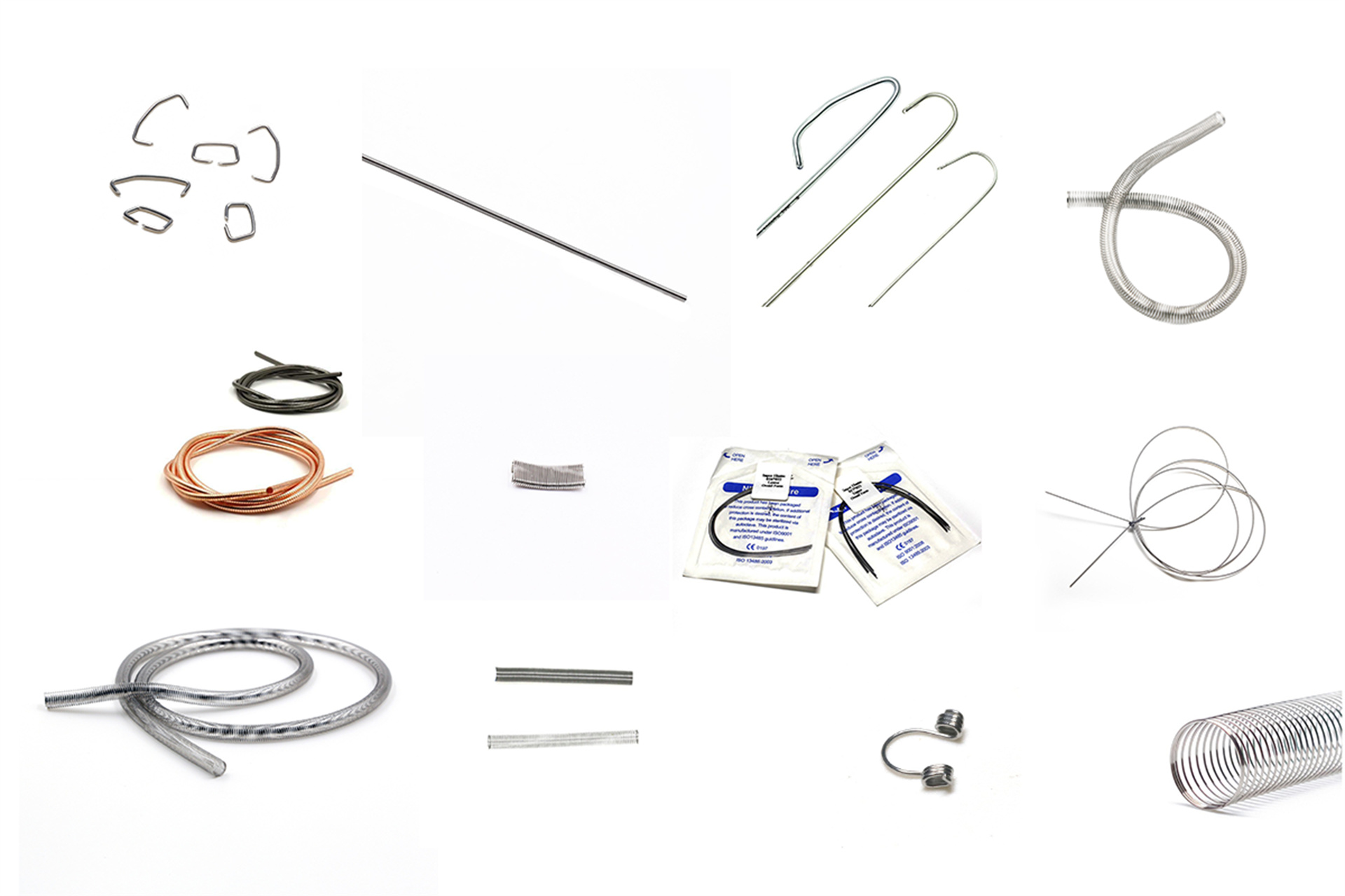
For the custom manufacturing of high-end springs and precision components for the medical industry,our product line includes precision guidewire springs, endotracheal tube springs, ureteral access sheath springs, brain pacemaker springs, and coated guidewire springs. We process medical springs with wire diameters ranging from 0.03mm to 1.0mm, fully meeting the stringent requirements of surgical instruments, diagnostic equipment, and implantable medical devices. Our current categories of medical accessories feature reinforced catheters, dental metal fittings, gas anesthesia components, micro guidewires, sheath tubes, endoscopic guidewires and consumables, surgical consumables, and Nitinol (nickel-titanium alloy) products. We are dedicated to providing our clients with safe and reliable medical spring solutions!
Medical springs are core precision components for medical devices, providing stable elastic performance and biocompatible support for surgical instruments, implantable devices and diagnostic equipment.
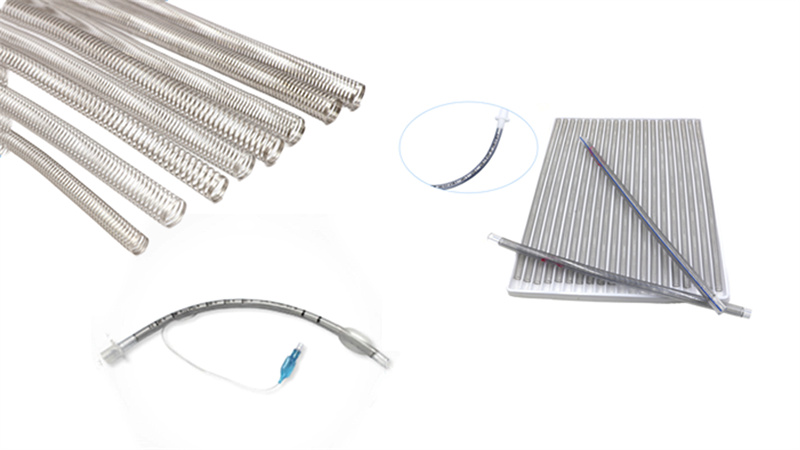
· Medical-grade stainless steel
· Excellent fatigue resistance and elasticity
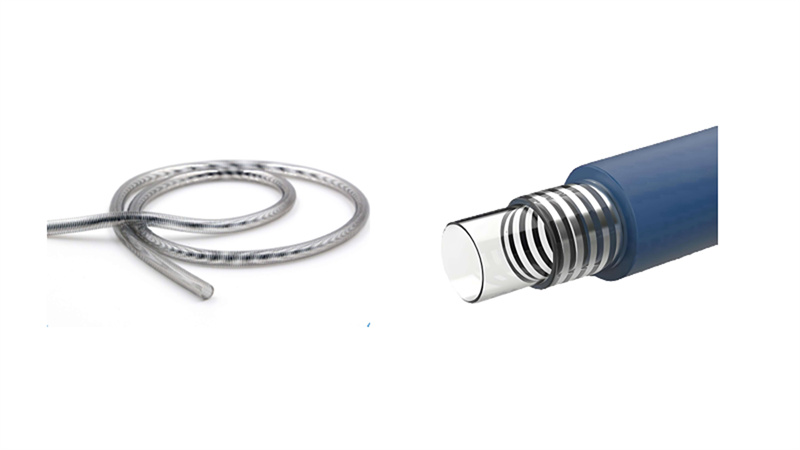
· Increase the strength of the catheter, making it less susceptible to biting or puncturing by the patient, thereby maintaining airway patency
· Wire Diameter:0.20*0.40mm/0.20*0.50mm/0.25*0.65mm
· Length:110mm-310mm
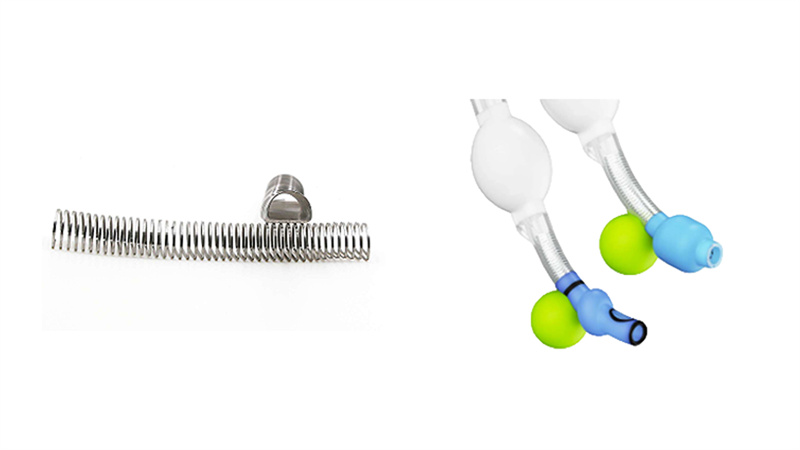
· Medical-grade stainless steel
· Special D-shaped structure for excellent stability
· Strong support, no bending
· Wire Diameter:0.25*0.5mm
· Length:35/45/60mm
· The delivery sheath spring tube offers excellent bending resistance and high-strength support
· The tube can be reinforced to prevent folding
· A variety of sizes and lengths are available
· Medical-grade stainless steel (0.08*0.3mm/0.1*0.3mm)
· Lengths from 415 to 550mm, customizable
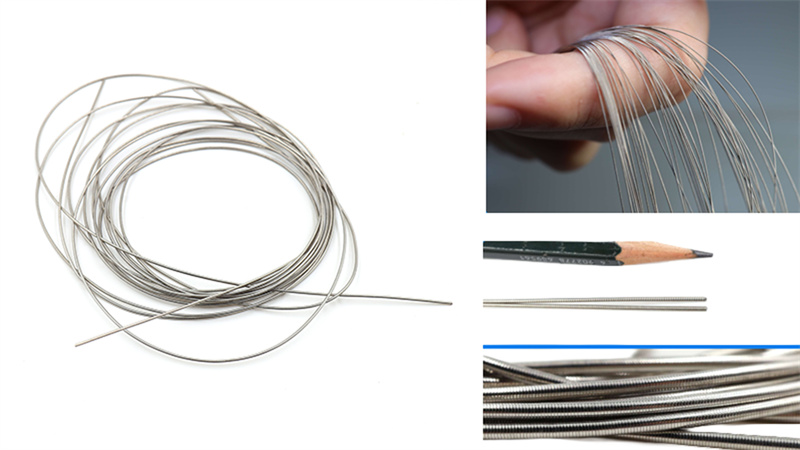
· High-performance nickel-titanium alloy or stainless steel
· Extremely fine round or flat wire winding technology maximizes performance
· Wire diameter: 0.04-0.1mm
· Outer diameter: 0.16-0.96mm
· Custom processing available for various materials
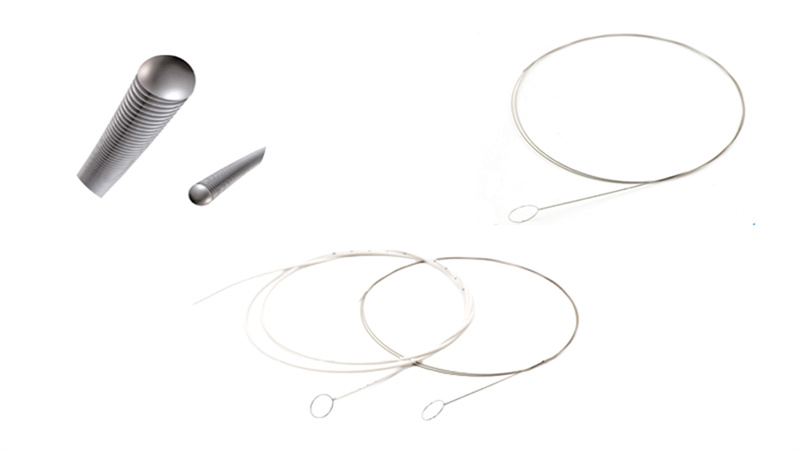
· The stabilizing structure consists of an external tightly wound spring coil, an internal steel wire, and a fused tip
· Excellent rigidity and flexibility guide the catheter to its target location
· Provides support for the catheter and enhances device maneuverability
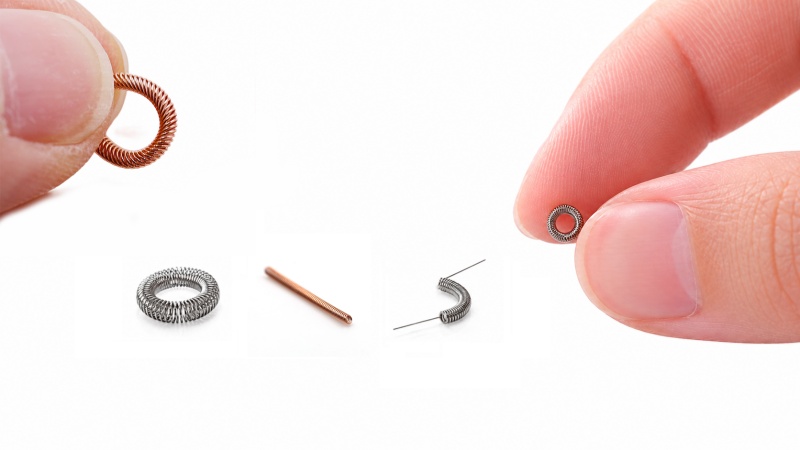
· Simple structure and compact size simplify connector design, making it suitable for compact products
· Multiple points of contact achieve virtually lossless contact, ensuring a high current carrying capacity
· Excellent conductivity, high electrical and thermal stability
· Low contact pressure at each contact point, providing excellent wear resistance
· Precision welding, with welds as fine as 0.04mm
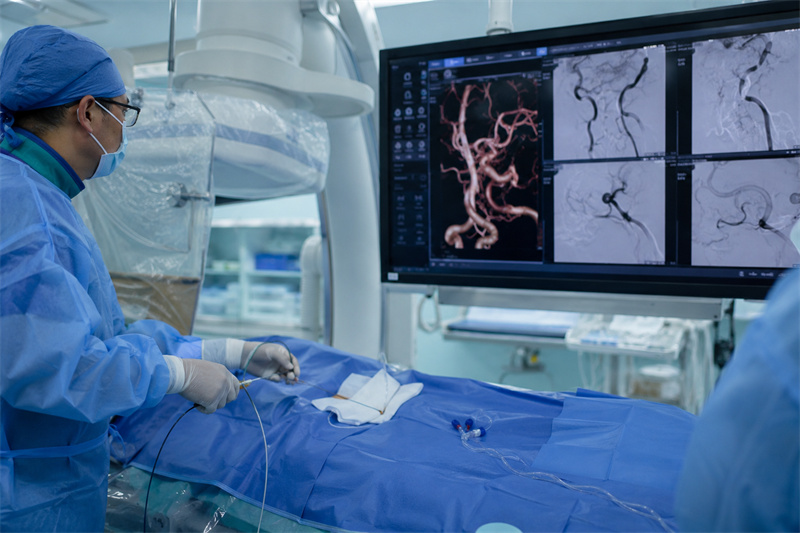
Superelastic nitinol alloy springs are the core components of minimally invasive interventional therapy. They can serve as the tips of vascular guidewires, safely navigating through tortuous and complex blood vessels with their compliant elasticity and accurately transmitting pushing force. They can also be made into three-dimensional embolization coils, which are delivered to aneurysms or vascular malformation lesions via catheters and automatically coil into masses relying on their shape memory property, achieving precise embolization and hemostasis, and significantly reducing the trauma and risks of traditional craniotomy and thoracotomy.
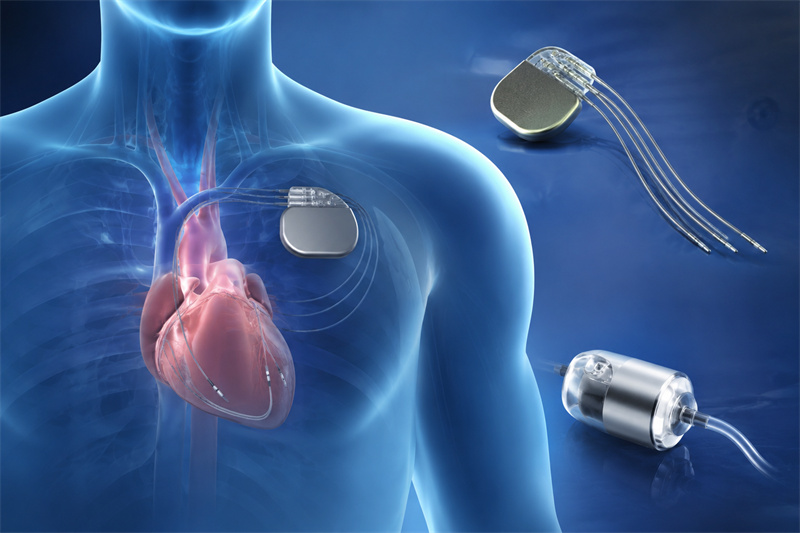
Miniature precision springs provide critical functional support for medical devices implanted in the body for long periods. They are used for reliable fixation and conductive connection of electrode heads in cardiac pacemakers, as components of electrode contacts in neurostimulators, and provide stable and constant driving force in implantable drug infusion pumps to ensure continuous drug infusion at a preset rate. These springs are made of titanium alloy or MP35N® with excellent biocompatibility, can work stably for decades in the complex internal environment of the human body, and have a fatigue life of more than 5 million cycles.
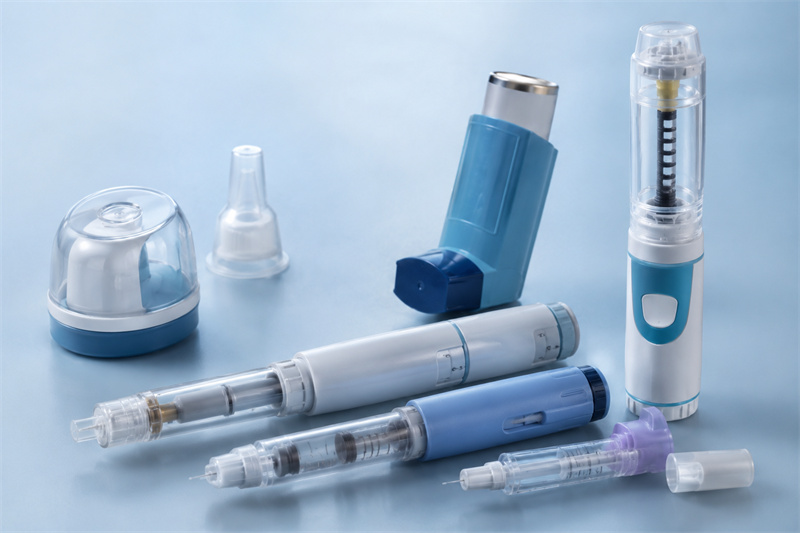
Medical springs are the "power heart" of various precise drug delivery devices. In insulin pens and GLP-1 injection pens, compression springs provide precisely controllable thrust to ensure that the error of each injection dose is controlled within an extremely small range. In auto-injectors, the energy released instantaneously by springs can quickly complete needle puncture and drug injection, which is particularly suitable for emergency scenarios such as allergy first aid. In inhalers, springs drive the dose metering mechanism to ensure that patients with asthma and COPD inhale the correct drug dose every time.
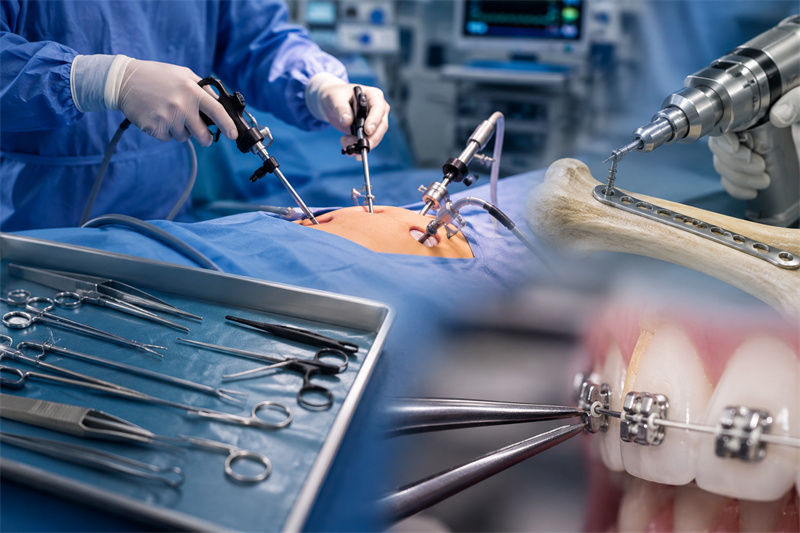
Springs play an indispensable role in everything from basic surgical scissors and hemostats to complex laparoscopic instruments. In minimally invasive surgical instruments, miniature springs with a wire diameter of only 0.1-0.5mm control the opening and closing force of the jaws, allowing doctors to perceive tissue hardness through the tactile feedback of the handle and avoid damaging organs due to excessive clamping. In orthopedic surgical tools, shock-absorbing springs absorb the vibration generated by bone drills and bone saws, reducing hand fatigue for surgeons. In the field of orthodontics, nitinol orthodontic springs can apply continuous and gentle force to guide teeth to move slowly to the correct position.
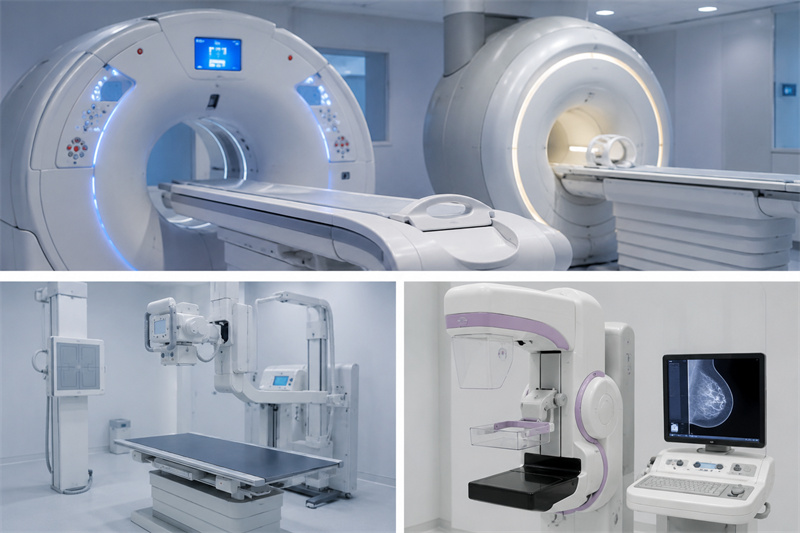
Medical springs are the key guarantee for the stable operation of various high-precision diagnostic imaging equipment. In CT scanners, they are used for precise reset and pressure adjustment of the detector array, ensuring that each detection unit can accurately receive X-ray signals. In MRI machines, special springs made of non-magnetic titanium alloy or beryllium copper alloy can work normally in a strong magnetic field environment without producing artifacts. In X-ray machines and mammography machines, springs control the lifting and positioning of the X-ray tube and the pressure output of the compression plate, which not only ensures imaging clarity but also avoids unnecessary compression injuries to patients.
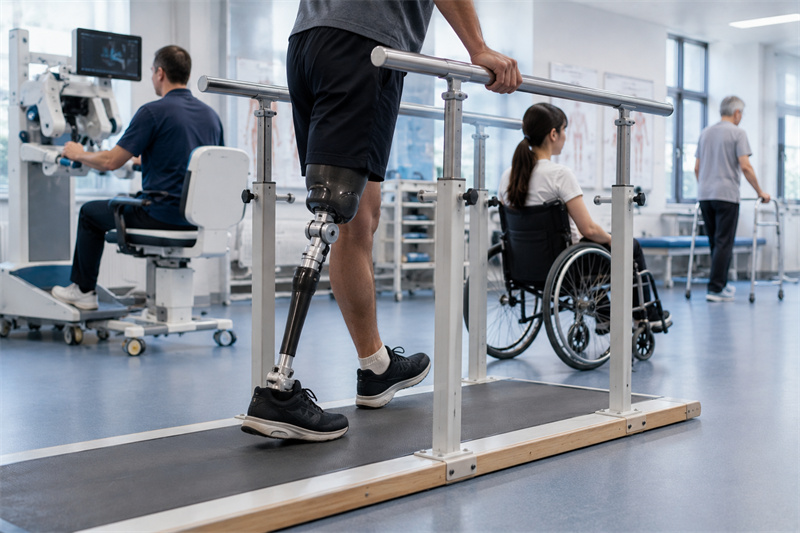
Medical springs provide core mechanical support and motion adjustment functions for various rehabilitation assistive devices. In prosthetic limbs and orthotics, energy-storage springs can simulate the contraction and relaxation of human muscles, helping amputees restore a natural walking gait and providing continuous and stable corrective force for patients with scoliosis. In wheelchairs and walkers, shock-absorbing springs effectively absorb the impact force generated by road bumps, improving the riding comfort and safety of people with mobility impairments. In upper and lower limb rehabilitation training robots, adjustable resistance springs can precisely adjust the training intensity according to the patient's rehabilitation progress, helping patients gradually recover limb motor function.