 EN


Tackling complex angles and multiple dimensional tolerance requirements, refining precision manufacturing quality through continuous improvement.
In the field of precision spring manufacturing, genuine technical challenges often lie hidden in details. When a product involves special forming angles, multiple dimensional tolerances and complex structural requirements, the manufacturing process tests not only processing capacity but also a set of sustainably verifiable and iteratively improvable process methodologies.
In September 2026, Dongguan Yisen Hardware Spring Co., Ltd. undertook a highly challenging spring OEM project entrusted by a domestic peer. From drawing evaluation and process design to sample commissioning, the project advanced as scheduled and has now finished the commissioning phase. Below is the documentation and summary of this process.
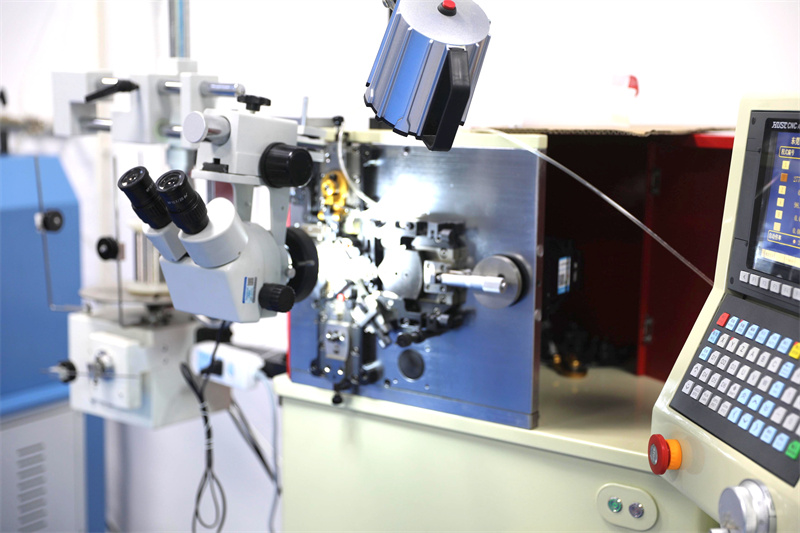
I. Project Breakdown: Translating Precision Requirements into Every Process
Upon receiving the drawings, Yisen first conducted a full evaluation of the product structure. The core difficulty of this product lies in meeting basic tolerance requirements while controlling multiple interrelated critical dimensions simultaneously. A special inclined angle of approximately 40 degrees, together with specifications for gradient, thickness, length and width, forms a coupled set of precision conditions.
For precision springs, minor deviations in angles will propagate to the overall forming state, and adjustments to a single parameter may affect other dimensions. Based on this assessment, the project team decomposed all requirements into specific processes including coiling, forming and trimming, verified process parameters and inspection methods item by item, and developed a complete processing plan to establish benchmarks for subsequent commissioning.
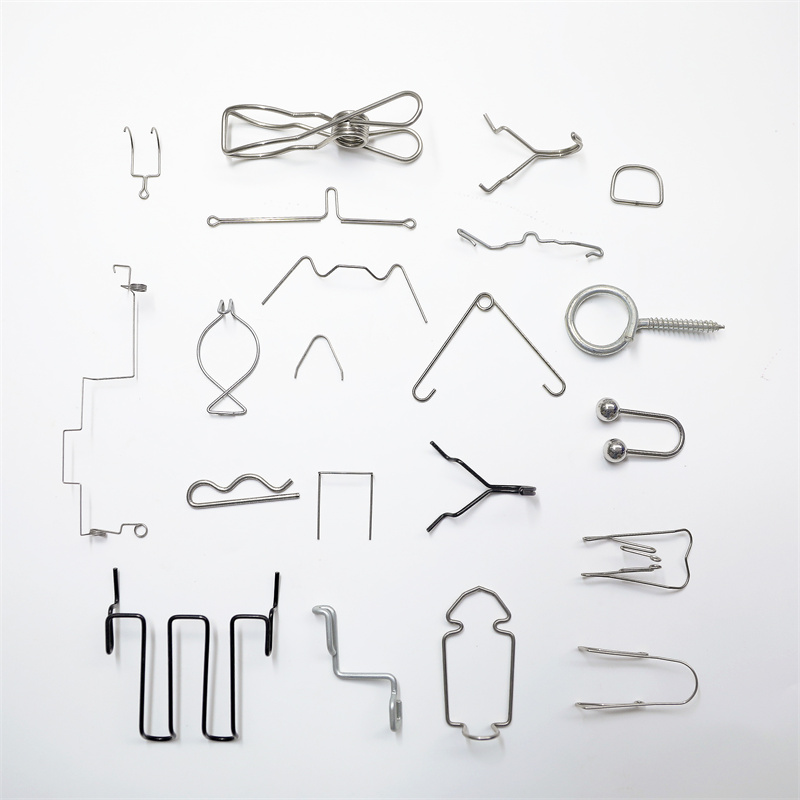
II. Continuous Commissioning: Three Months of Data-Driven Iterative Revisions
Sample commissioning lasted around three months, following the established workflow: preliminary forming, dimensional inspection, parameter logging and adjustment recheck. Measurement data was retained in each round of commissioning to serve as the basis for the next revision, ensuring every tweak was evidence-based.
When some dimensions deviated from target values, the project team analyzed sources of discrepancies by comparing multi-round measurement data — including coiling tension, springback and clamping methods — before adjusting process parameters in a targeted manner. The matching relationship between angles and dimensions gradually converged through repeated validation, and all parameters were eventually stabilized within tolerance ranges.
In the later stage of commissioning, focus shifted to fine-tuning the final dimension. At this point, overall parameters were closely interlocked; any minor adjustment required simultaneous recheck of remaining dimensions. Progress was driven by verified results until all indicators passed review.
III. Peer Entrustment: Building Trust Through Process Transparency
This project was commissioned by an industry peer. The client, familiar with spring processing workflows, held clear expectations for dimensional accuracy, forming quality and manufacturing challenges. Orders of this type serve as a direct assessment of process capability.
During project execution, Yisen synchronized commissioning progress and inspection data with the client at agreed milestones, keeping real-time status of each phase fully visible. For peer clients, verifiable process records carry more weight than promises. This is how Yisen builds long-term trust with partners.
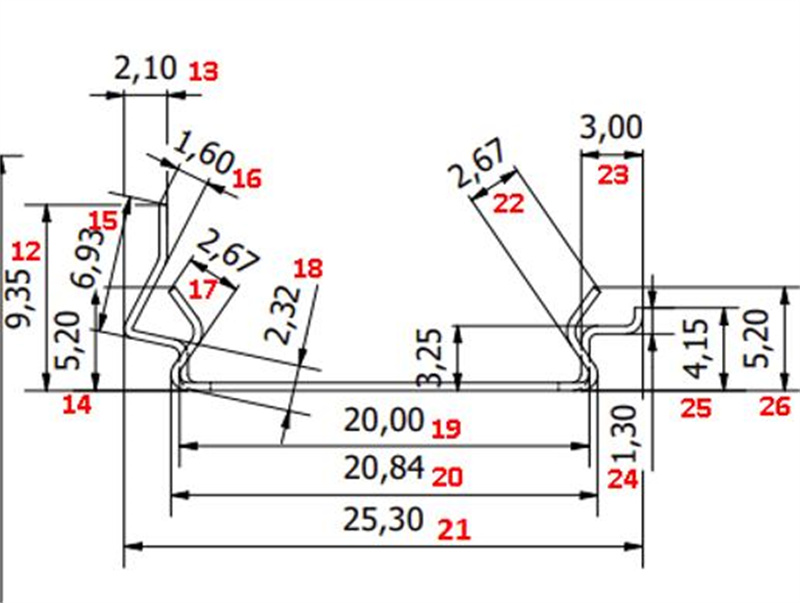
IV. Process Accumulation: Turning Every Project into R&D Assets
The value of precision manufacturing often manifests in the final step before completion. One angle or a single dimension can affect assembly and performance of the end product.
Dongguan Yisen Hardware Spring specializes in custom precision spring manufacturing. After each high-difficulty project concludes, parameter logs, deviation analysis and correction plans generated during commissioning are archived in process files to inform the development of similar products in the future. Such continuous accumulation steadily elevates process capability alongside growing project experience.
This project exemplifies this working methodology: adhering to precision standards, emphasizing processing details, and polishing quality through ongoing commissioning and verification. Meeting challenges with expertise and embodying quality in details, Yisen will remain focused on precision spring manufacturing. With rigorous production standards and an R&D ethos of continuous improvement, we deliver custom solutions that better match practical demands for clients and partners.